The Broadcaster's Burden
The survival of any sport on the Olympic roster depends on one brutal metric: global viewership. If a sport is not visually captivating to a layperson channel-surfing in their living room, it faces the Olympic chopping block. This reality forged The Olympic Compromise.
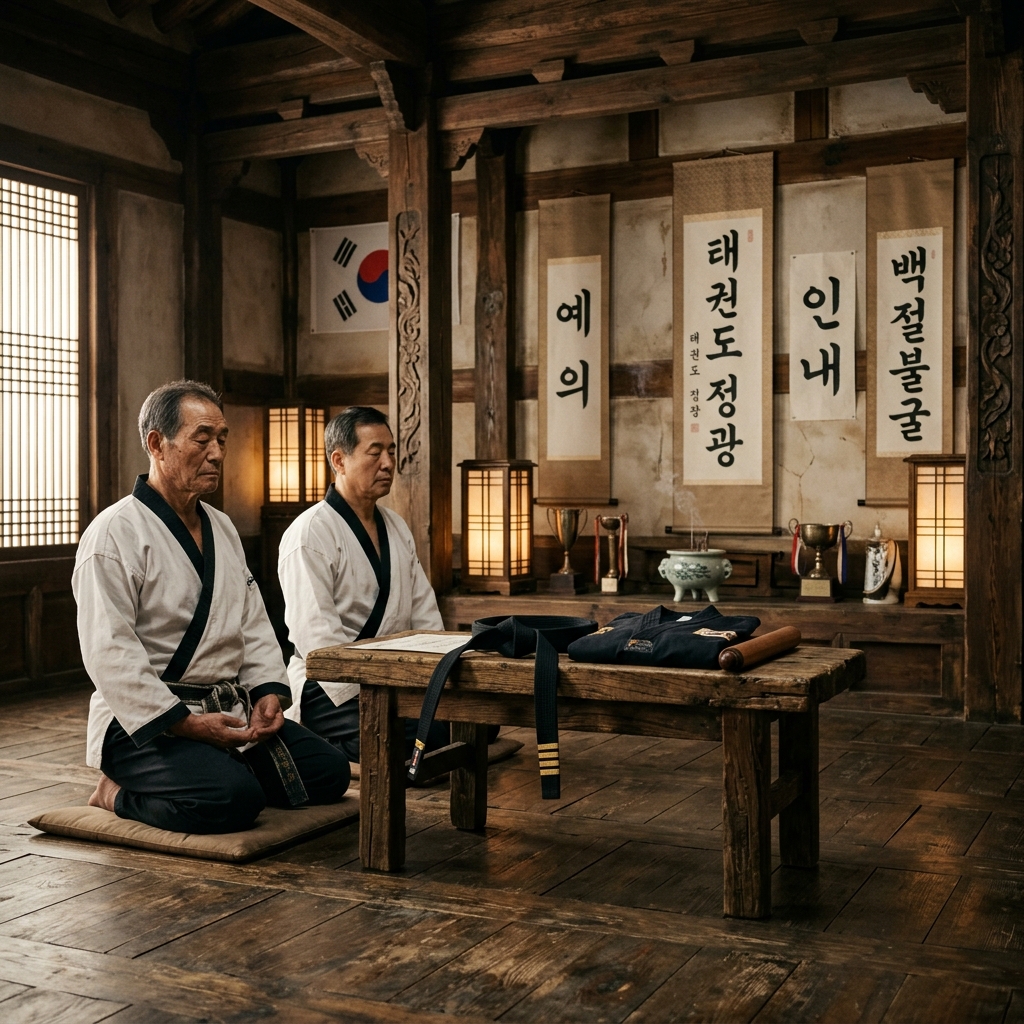
World Taekwondo (WT) executives must constantly walk a razor-thin tightrope. Lean too far into traditional martial arts (Budo), and the matches become slow, defensive, and esoteric to non-practitioners. Lean too far into spectacle, and the sport devolves into a game of electronic tag, alienating the core martial arts base.
"We must respect the roots of the tree, but if we do not prune the branches for the sunlight of the modern media, the entire tree will die."
Rule Changes Designed for TV
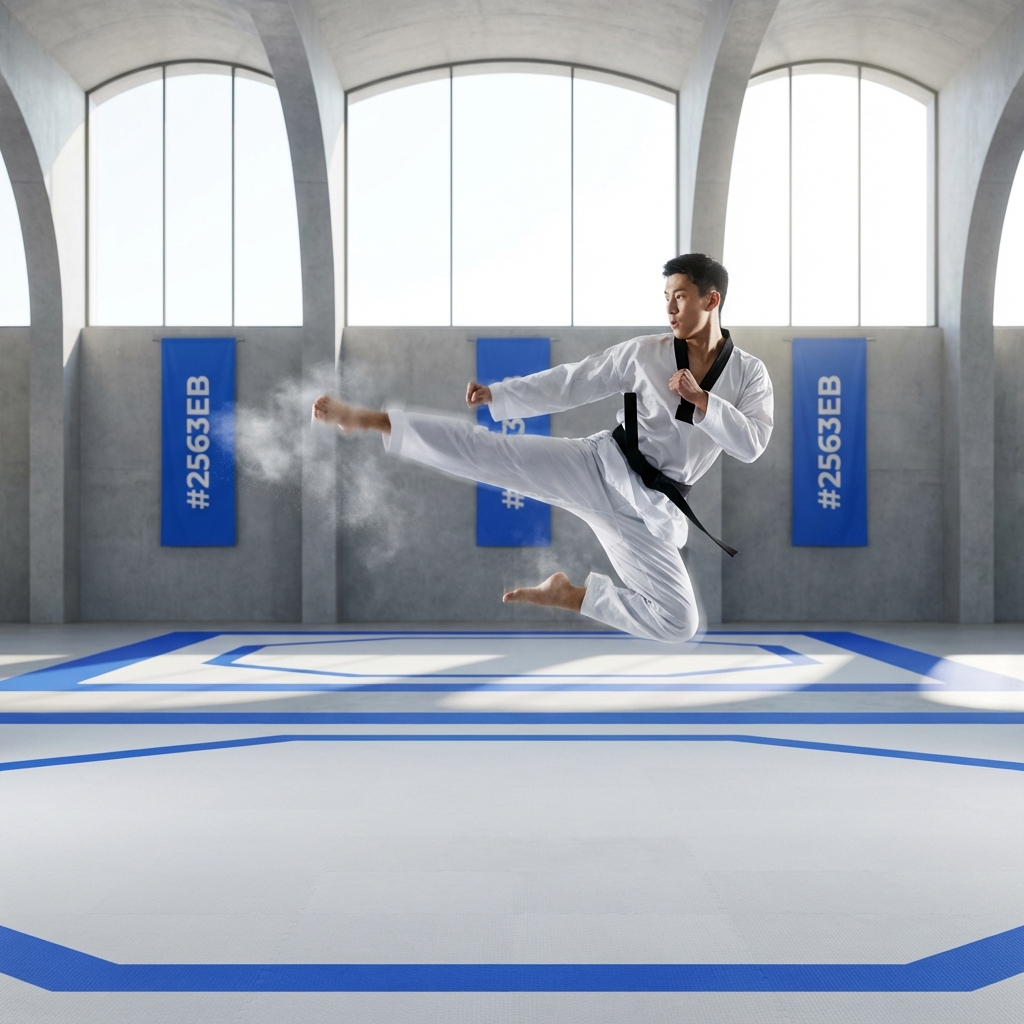
Almost every major rule change in the last two decades was implemented not for martial efficacy, but for broadcast entertainment:
- The Octagon Ring: Moving from the traditional square to the octagon eliminated 'corners', forcing continuous kinetic engagement and preventing defensive stalling.
- Spinning Kick Multipliers: Awarding 4 or 5 points for spinning techniques to the head isn't about combat effectiveness; it is to incentivize spectacular, acrobatic highlights that go viral on social media.
- Gamification of Penalties (Gam-jeom): Modern referees are mandated to penalize passivity within 3 seconds. The sport is legally mandated to be fast-paced, regardless of tactical necessity.
The Loss of Budo?
Traditionalists argue this compromise has stripped Taekwondo of its soul. The concept of Budo (the martial way) historically dictatates that one perfectly executed strike should end an altercation. Sport Taekwondo, conversely, rewards accumulating numerous weak, grazing tags. The respect, the terrifying power, and the stoicism have been replaced with fist-pumping, tactical diving, and gaming the sensors.
Conclusion: The Necessary Evil
Is the compromise worth it? Without the Olympics, Taekwondo would not be practiced in 210+ countries. The funding, the infrastructure, and the global legitimacy provided by the IOC are unparalleled. The Olympic Compromise is the price of total global supremacy. It is up to the individual masters to ensure the spirit of Budo survives behind the closed doors of their local dojangs.