
The Capital Investment
As discussed in previous articles, Virtual Taekwondo (VT) is a revolutionary tool for engaging the youth demographic. However, the hardware—commercial VR headsets, specialized IMU tracking nodes, dedicated high-end PCs, and sanitized mat space—requires a significant upfront capital investment, often exceeding $5,000 USD per station.
To justify this expense, Dojang owners cannot simply let students use it for free after class. The VT rig must act as a dedicated, high-ticket revenue stream.
"Do not sell VT as a video game. Sell it as the 'Elite Digital Combat Program'."
The Tiered Tuition Model
Successful clubs implement VT through a "Program Upgrade" model rather than a standard class.
- The Base Tier (Traditional): Standard Kyorugi and Poomsae training. Access to the physical mats only.
- The Hybrid Tier (+15% Tuition Increase): Grants the student access to one dedicated "Virtual Sparring" session per week. This is heavily marketed toward teenagers who are reluctant to do physical sparring due to fear of injury but desperately want the competitive thrill of combat.
- The Esports Team (+40% Tuition Increase): An elite, invitation-only tier. These athletes train physically as normal, but also represent the Dojang in national Virtual Taekwondo online leagues. They receive specialized coaching on VT hitboxes and stamina dynamics.
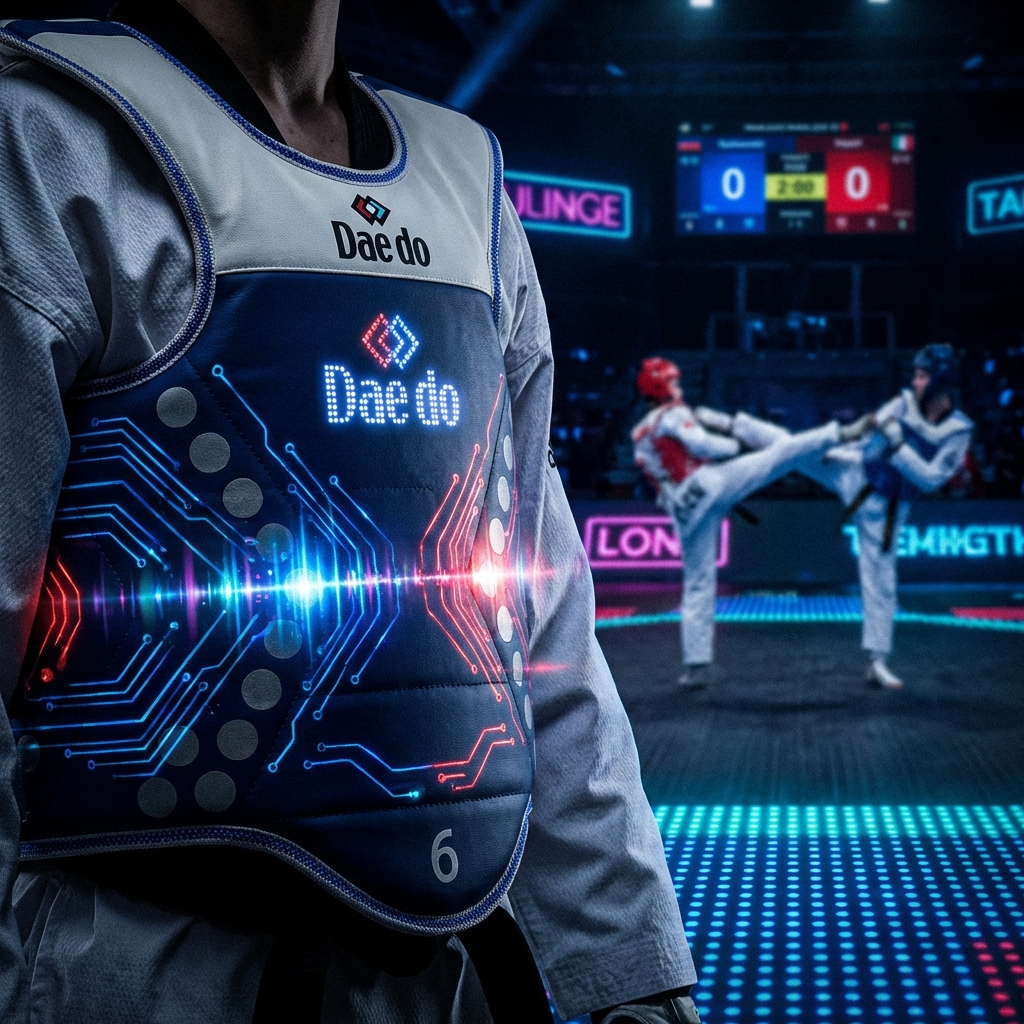
The 'Friday Night Fight Club'
Beyond standard tuition, VT rigs are incredible lead-generation tools. Dojangs host "Friday Night Esports Throwdowns."
Students pay a $25 entry fee to participate in a 2-hour mini-tournament. Crucially, they are heavily encouraged to bring non-martial-artist friends from school. The friends get to experience the thrill of the VR fighting game without committing to a membership. Once they are engaged in the Dojang environment, the owner offers them a standard trial membership. The conversion rate of "gamer friend" to "white belt student" through this method is astronomically high.
Conclusion
If managed correctly, a Virtual Taekwondo setup pays for itself within 6 months. By treating VT as a premium upgrade and a dynamic marketing vector, Dojang owners can tap entirely new demographics and dramatically increase their Gross Monthly Revenue.