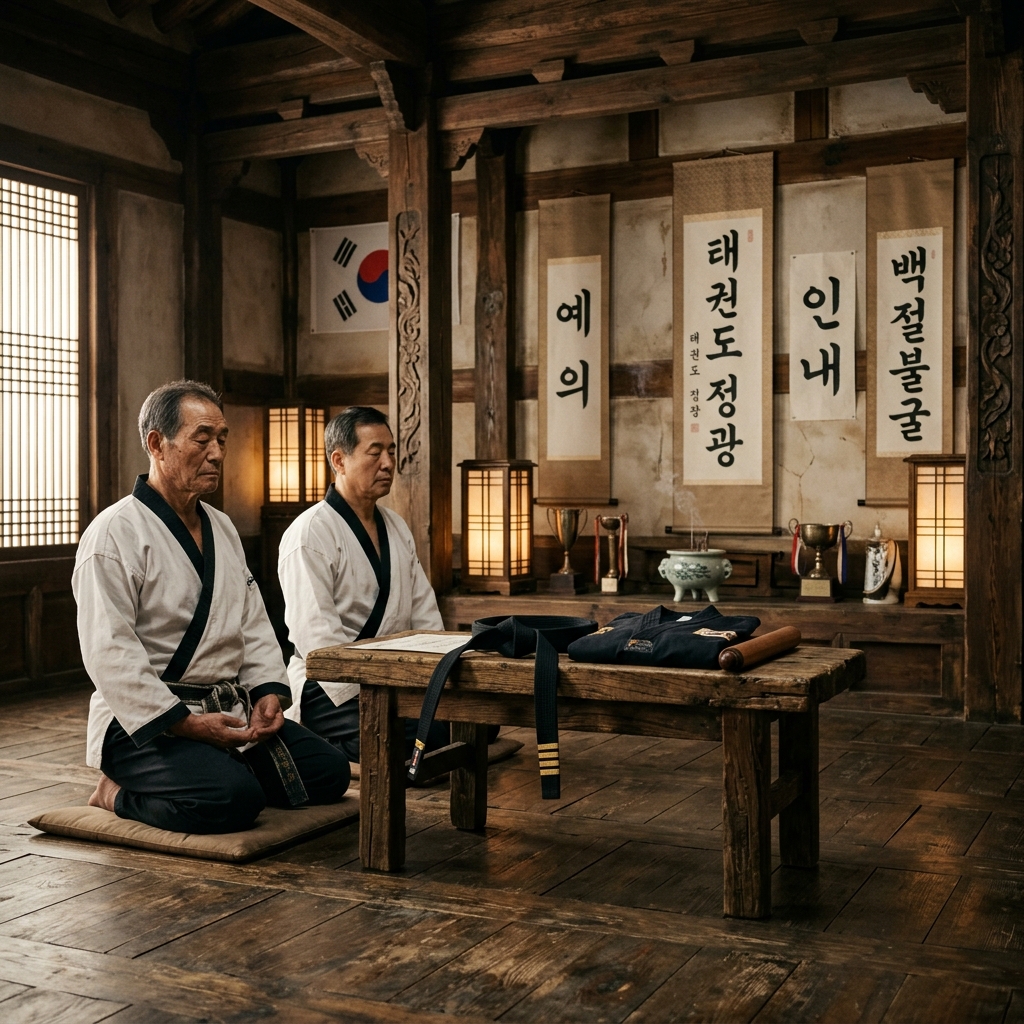
The Bedrock of the Dojang
Every Taekwondo student, from a four-year-old white belt to an eight-dan Grandmaster, is expected to recite them. The Five Tenets of Taekwondo: Courtesy (Ye Ui), Integrity (Yom Chi), Perseverance (In Nae), Self-Control (Guk Gi), and Indomitable Spirit (Baekjul Boolgool). But in the digital age of 2026—an era defined by instant gratification, social media validation, and fractured attention spans—are they still relevant?
The answer is a resounding yes. In fact, they have arguably never been more crucial. We are raising a generation heavily insulated from physical discomfort and failure. The tenets provide an actionable framework to forge mental resilience.
"A child who learns to bow to a master will eventually learn to respect their teachers, their parents, and themselves. The tenets are not martial arts doctrine; they are a blueprint for functional citizenship."
Deconstructing the Tenets for the Modern Era
Let's map these ancient concepts to modern psychological dilemmas:
- Integrity (Yom Chi): In an internet landscape riddled with misinformation and performative personas, Integrity teaches a student to align their private actions with their public identity. It means maintaining the painful horse stance (Juchum Seogi) even when the instructor is looking away.
- Perseverance (In Nae): Modern society allows us to quit any inconvenient task with a swipe of a screen. The physical pain of holding a high roundhouse kick for sixty seconds burns the concept of 'grit' directly into the central nervous system.
- Self-Control (Guk Gi): Social media thrives on impulsive anger and reactive communication. Taekwondo teaches the lethal capability of the human body, paired with the absolute mandate not to use it capriciously. It is the mastery of the pause between feeling anger and reacting to it.
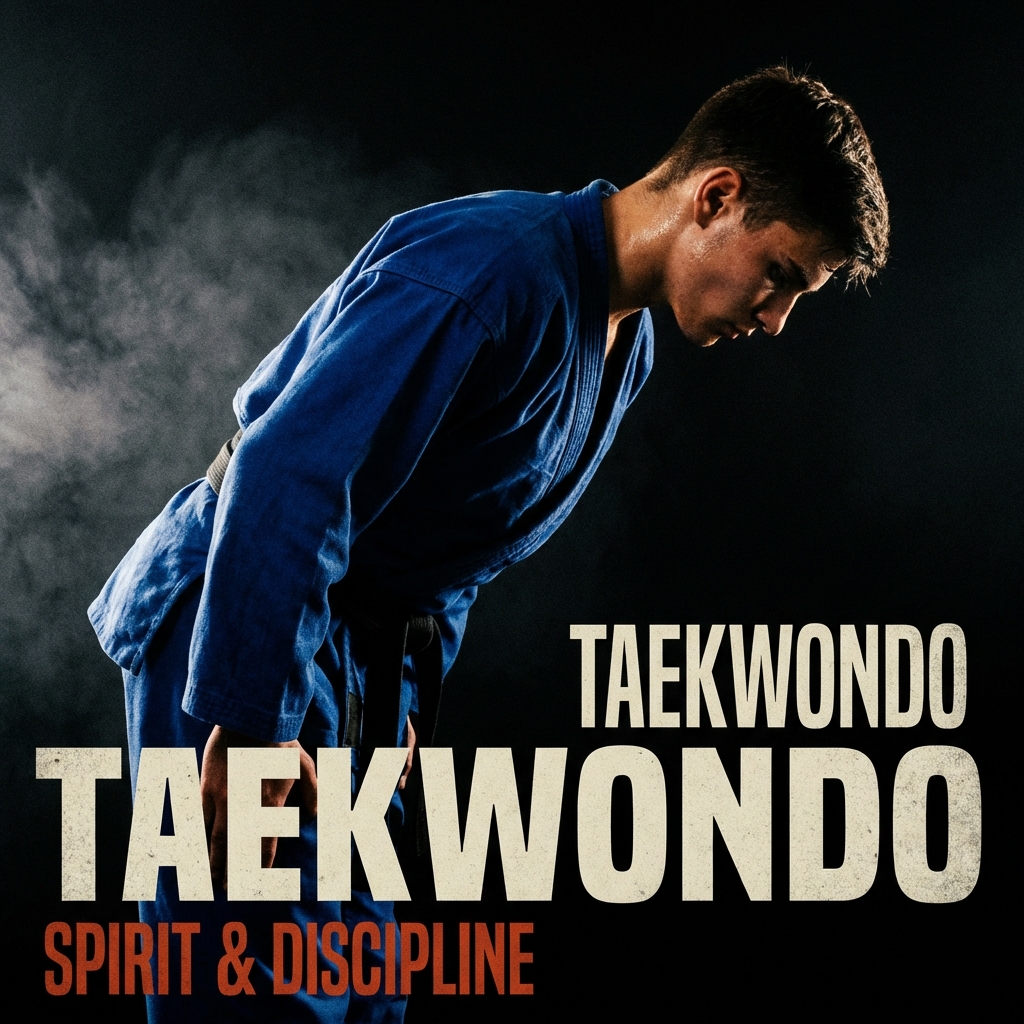
The Tenets as Corporate Leadership Tools
Interestingly, the tenets have bled out of the dojang and into the boardroom. Corporate leaders are increasingly seeking out black belts to lead high-stress management teams. Why? Because a leader instilled with an Indomitable Spirit views a catastrophic quarterly loss not as a failure, but as a grueling sparring round. They adjust their stance, breathe, and re-engage.
Conclusion
The Five Tenets are not outdated relics of a Korean military structure. They are highly compressed psychological algorithms designed to produce durable, empathetic, and disciplined human beings. As long as the human condition requires resilience, the tenets will remain the beating heart of Taekwondo.