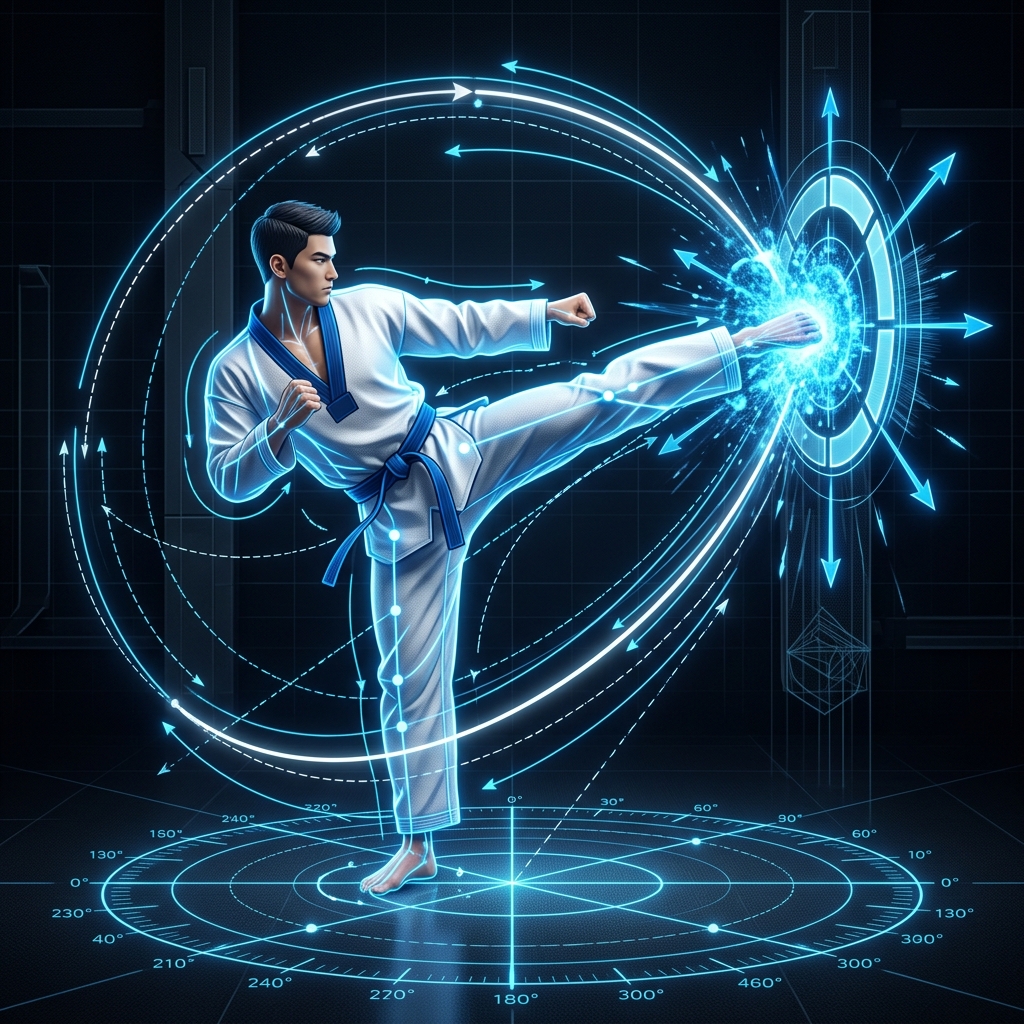
The Spectator's Nightmare: The Staredown
In the early days of electronic scoring, a bizarre meta developed: The Staredown. If a match was tied, or if one fighter had a slight lead, both athletes would often adopt wide stances, bounce lightly, and simply stare at each other, waiting for the other to make the first mistake. Entire rounds would pass with fewer than three kicks thrown.
To save Kyorugi as a viable broadcast sport, World Taekwondo aggressively implemented and refined the Double Passivity Rule.
"Passivity is an insult to the art of Taekwondo. The referee's job is not just to score points, but to enforce the fight."
The Mechanics of the 5-Second Rule
Referees are now strictly mandated to enforce active engagement using a silent internal clock.
- The 5-Second Countdown: If neither athlete initiates a valid attacking motion for approximately 5 seconds, the center referee will issue the "Fight" (Kal-yeo... Kye-sok) command verbally and with hand signals.
- The Double Penalty: If another 5 seconds elapse without a substantive attack, the referee will instantly halt the match and issue a Gam-Jeom (penalty) to both athletes simultaneously.
- What Constitutes an 'Attack'? Feinting (faking a kick without extension) or simply lifting the leg to block does NOT reset the passivity clock. The athlete must execute a technique with the genuine intent and trajectory to strike the opponent's scoring areas.
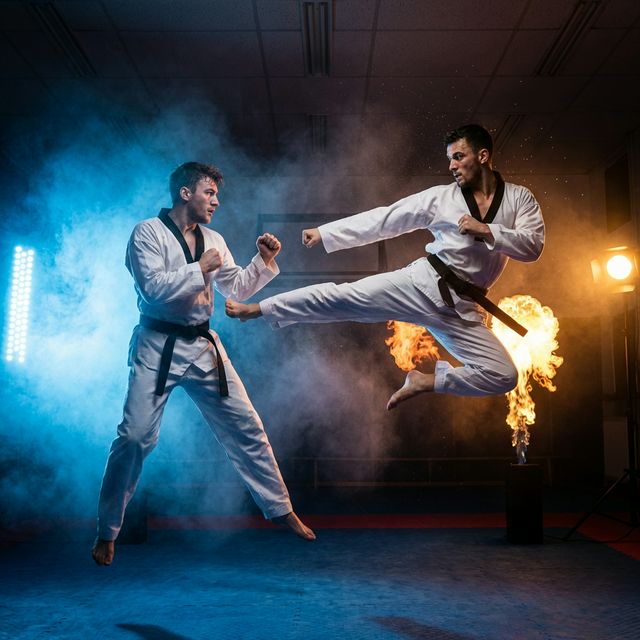
Weaponizing the Passivity Clock
Elite fighters actually use the passivity rule against their opponents. If Fighter A is leading 5-4, they want the clock to run out. However, they cannot simply run away without getting penalized.
Instead, Fighter A will utilize 'Ghost Attacks'—throwing high-energy but intentionally wide kicks that miss. This resets the referee's 5-second passivity clock without actually closing the distance or risking a counter-attack. Fighter B is then heavily pressured to chase Fighter A, often rushing in recklessly and exposing themselves to a legitimate counter.
Conclusion
The Double Passivity rule successfully eradicated the boring, stagnant matches of the early 2010s. Modern Taekwondo requires continuous, relentless output. Athletes must be anaerobically conditioned to attack constantly, or risk being disqualified entirely through accumulated passivity penalties.