The Culture Clash on the Mats
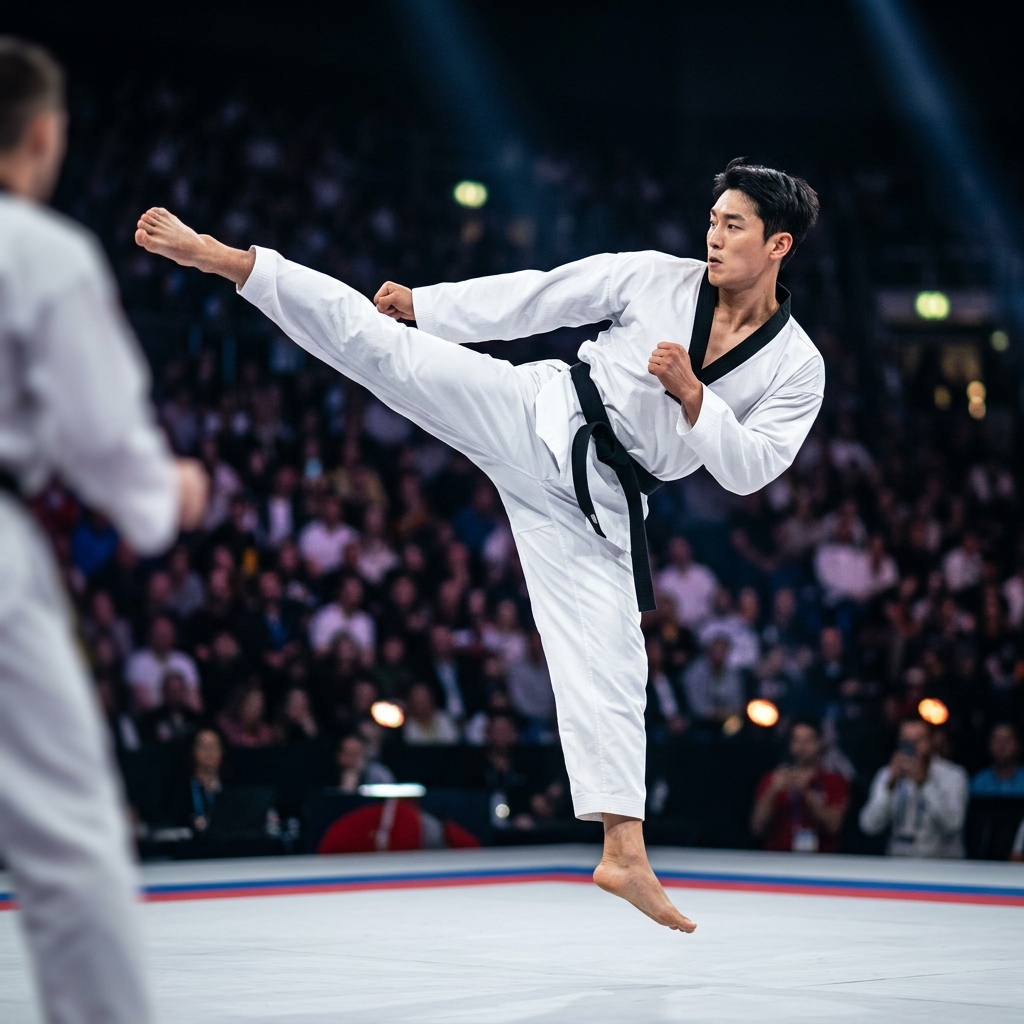
A classic scenario plays out in dojangs globally: a hard-hitting, fiercely dedicated traditional Taekwondo black belt steps into an electronic PSS (Protective Scoring System) tournament for the first time. They deliver a bone-crushing back kick perfectly to the sternum. The crowd gasps. The opponent winces.
...And the scoreboard registers zero points. Moments later, the opponent brushes the top of their foot against the traditionalist's helmet, scoring 3 points. Can a Traditional Practitioner actually succeed in Modern Kyorugi?
"Power is useless if it doesn't speak the language of the algorithm. In modern sport, the computer is the ultimate judge of impact."
The Biomechanical Misalignment
The primary barrier is biomechanical. Traditional Taekwondo emphasizes driving force through the target. Modern PSS systems (especially Daedo) require a specific snap and immediate retraction to register the localized pressure without triggering a foul. The traditionalist's follow-through often registers as a 'push', nullifying the point.
Furthermore, traditional guards (hands up, protecting the jaw) leave the electronic Hogu exposed to the modern front-leg cut kick. The sport fighter exploits this geometry brilliantly.
The Path to Adaptation
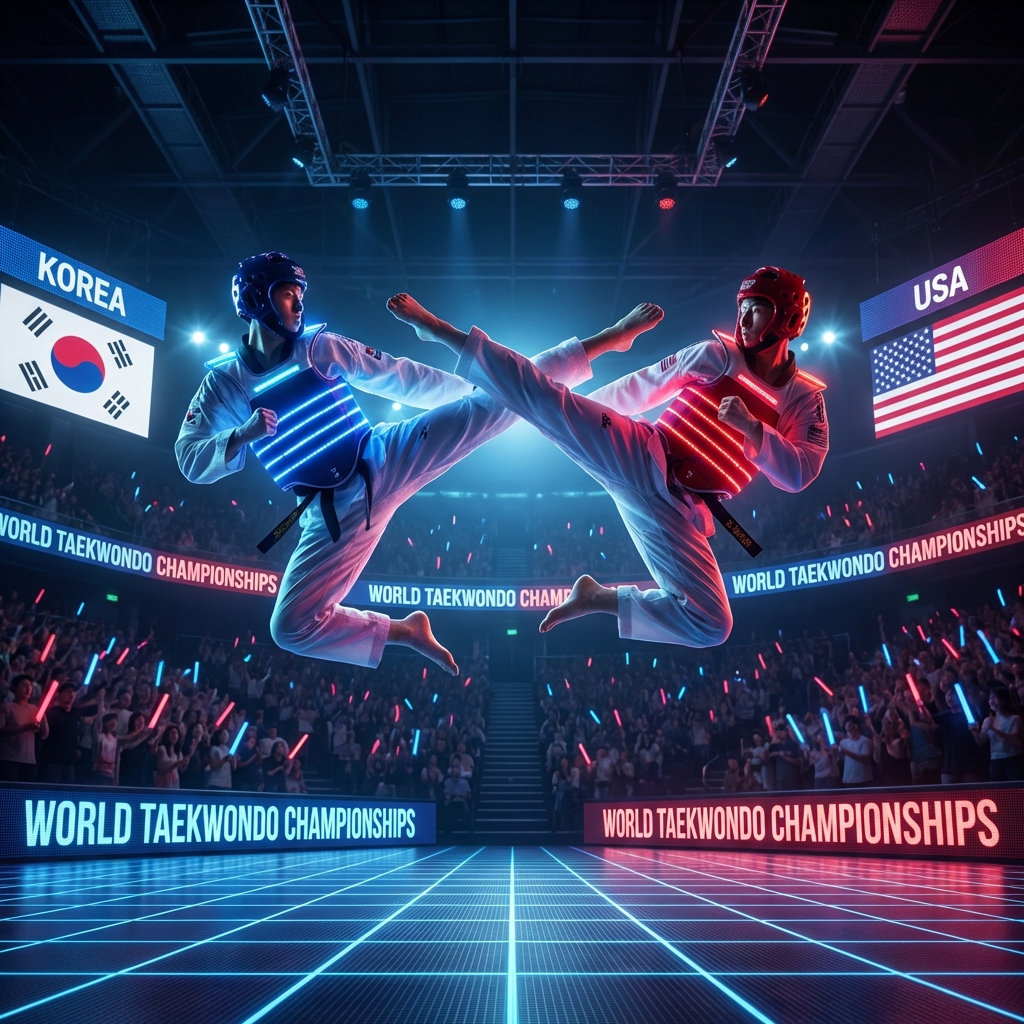
Success is possible, but it requires a painful unlearning process. The traditionalist must cross-train specifically for the hardware:
- Calibrating the Kinetic Chain: The traditionalist must learn to 'whip' their kicks rather than 'drive' them. The knee must snap and retract in fractions of a second to spike the piezoelectric sensors.
- Embracing the Clinch: Traditionalists are taught to keep their distance. Sport fighters weaponize the clinch. The traditional practitioner must learn to tie up, defend the close-range crescent kick, and force separations legally.
- Exploiting Heavy Power: The one advantage the traditionalist retains is raw, blunt force. With systems like KPnP and Waychamp rewarding higher thresholds, a traditionalist who slightly modifies their angle can drastically drain the opponent's stamina pool through heavy body blows, even if they don't always score immediately.
Conclusion
A strictly traditional fighter cannot walk into a WT Open and win on raw martial prowess alone. They must adapt to the 'game'. However, a traditionalist who learns the new ruleset brings a level of physical durability and explosive stopping power that a pure sport-bred athlete often lacks. The hybrid fighter is the most dangerous.