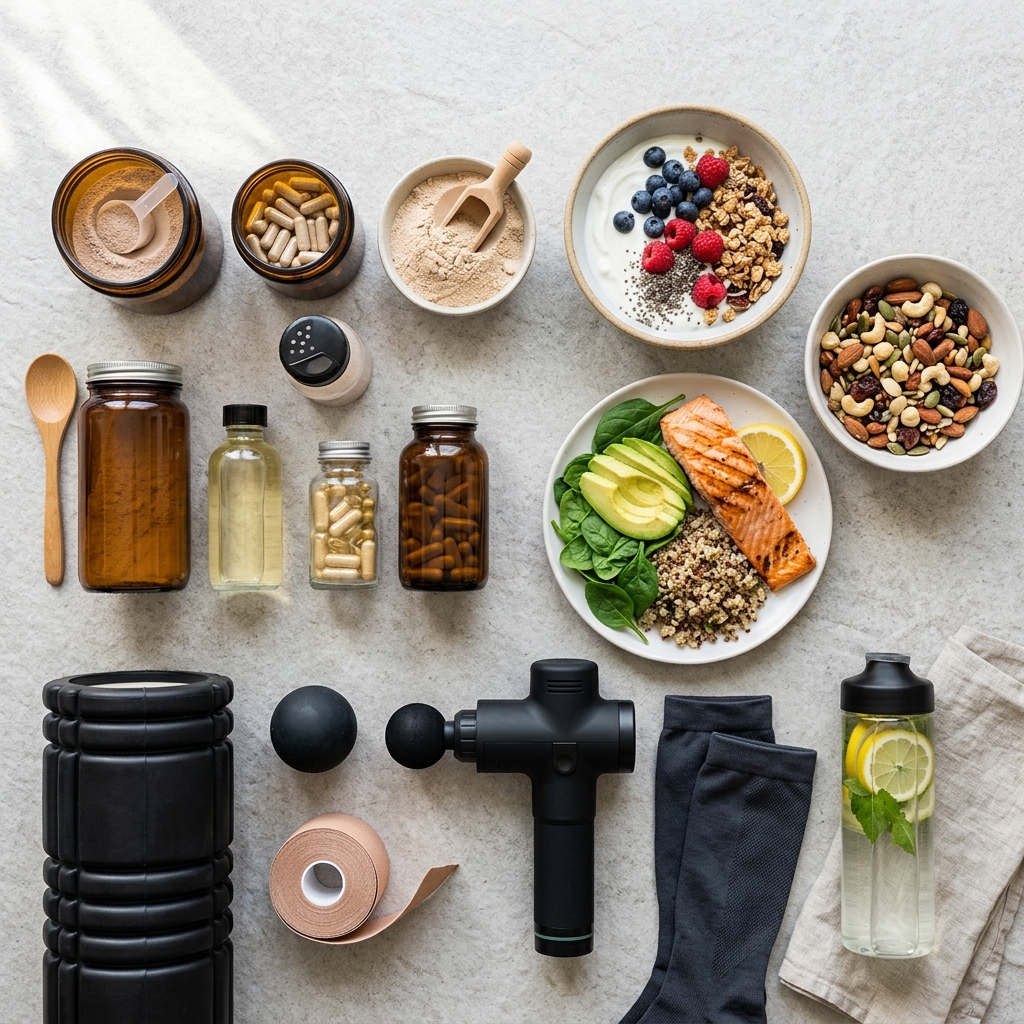
The Hyponatremia Danger
In the middle of a brutal August training camp in Korea, an athlete can easily sweat out 2 to 3 liters of fluid in a single 90-minute session. The immediate instinct is to chug a massive jug of ice-cold, plain water.
This is a physiological error. Sweat is not just water; it is a severely concentrated brine of sodium, potassium, magnesium, and calcium. If you bleed out salt but only replace the water, you create a condition called hyponatremia (diluted blood sodium). The body will actually force you to urinate out the pure water you just drank in a desperate attempt to re-concentrate your sodium levels. Drinking pure water when heavily depleted can actually make you more dehydrated.
"Water without salt is just a tourist. It visits your stomach, completely ignores your muscles, and leaves through your bladder."
The Big Four Electrolytes
To achieve intracellular hydration (pulling water directly into the muscle tissue where it prevents cramping), water must be shuttled across the cell membrane using the sodium-potassium pump.
- Sodium: The king of hydration. It regulates blood volume and muscle contraction. Elite fighters require massive amounts of sodium during camp (often 4,000mg+ per day).
- Potassium: Balances intracellular fluid and prevents the agonizing calf and hamstring cramps that plague the 3rd round of matches.
- Magnesium: A critical mineral that physically allows the muscle fiber to relax after a contraction. Low magnesium means your muscles remain stiff and wired.
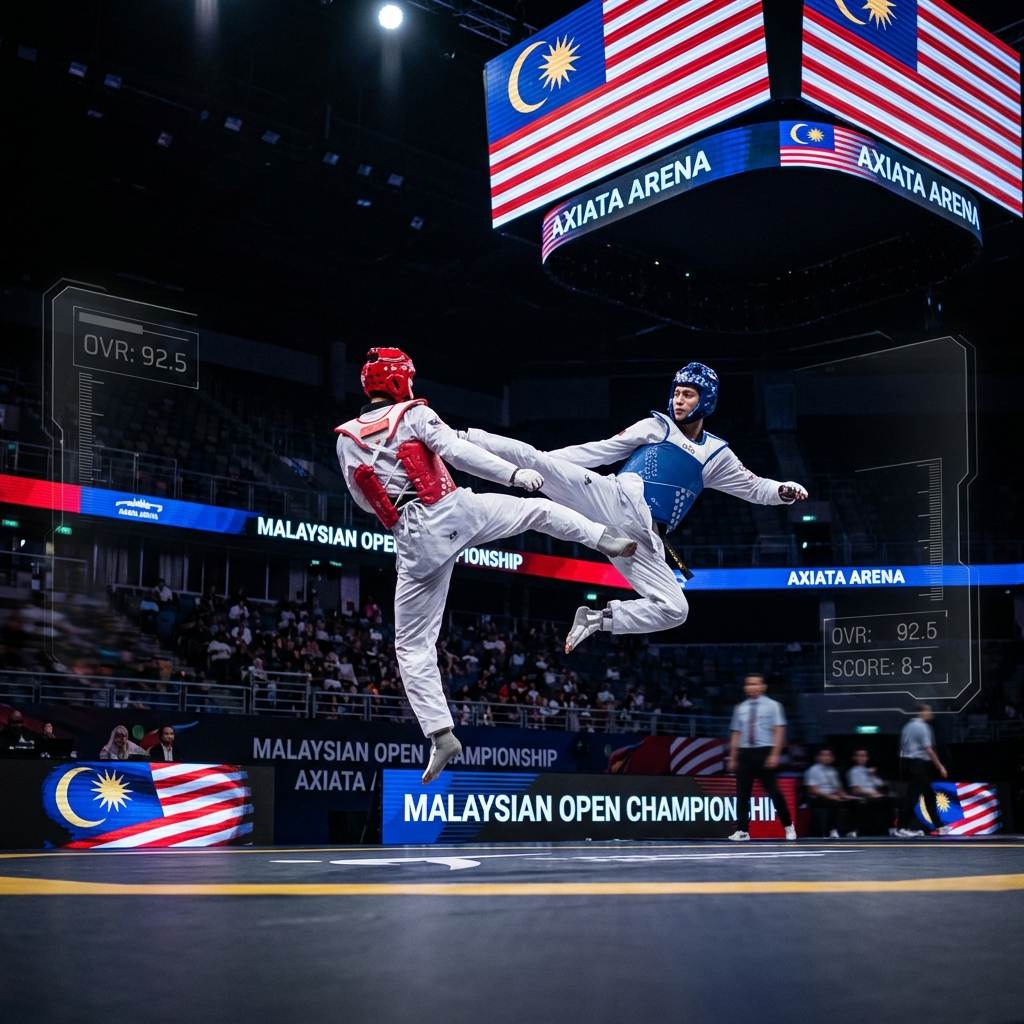
The Isotonic Solution
For intense sparring sessions exceeding 60 minutes, plain water is insufficient. Athletes must consume an isotonic solution—a drink containing a specific ratio of carbohydrates (6-8%) and electrolytes (sodium) that perfectly matches the osmotic pressure of human blood, allowing for instantaneous absorption in the small intestine.
While commercial sports drinks work in a pinch, many contain high fructose corn syrup. A professional homemade alternative: 1 liter of water, 1/2 teaspoon of pink Himalayan salt, the juice of a lemon (for potassium), and a tablespoon of raw honey (for glucose transport).
Conclusion
Stop flushing your system with pure water during extreme exertion. Armor your cells by aggressively replacing the specific salts you are sweating out, and your muscular endurance will dramatically improve.